Fast Shipping Research-Grade Peptides COAs Available Fast Shipping Research-Grade Peptides COAs Available Fast Shipping Research-Grade Peptides COAs Available Fast Shipping Research-Grade Peptides COAs Available

Research-grade

Recovery Protocol

Flask icon Standardized lyophilized format
Vial icon Sterile, sealed research vial
Approved icon Documented lot & traceability
Security icon For laboratory research use only
Approved icon Batch-specific Certificates of Analysis (COAs) available Click here
Bundle pricing
Component subtotal$404.00
Discount28.47% off
Bundle total$289.00
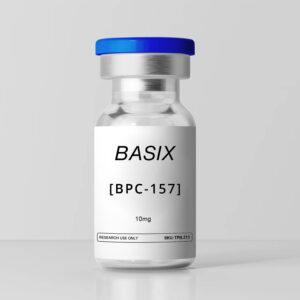
BPC-157 (10mg) - Buy 1

BPC-157 (10mg)

$125.00

Includes 1 unit

Selected variation: Pack Size: Buy 1
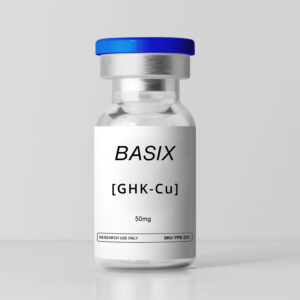
GHK-Cu (50mg) - Buy 1

GHK-Cu (50mg)

$129.00

Includes 1 unit

Selected variation: Pack Size: Buy 1
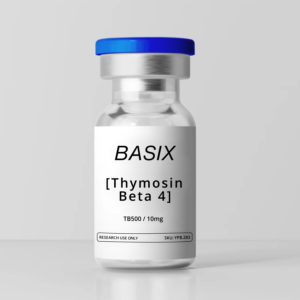
Thymosin Beta-4 (TB500) (10mg) - Buy 1

Thymosin Beta-4 (TB500) (10mg)

$150.00

Includes 1 unit

Selected variation: Pack Size: Buy 1

BASIX® Recovery Protocol  combines three high-purity compounds studied for their roles in tissue repair, cellular regeneration, and extracellular matrix remodeling.

This stack is designed for research environments exploring how multi-pathway regenerative signaling and recovery processes interact across musculoskeletal and dermal models.

BPC-157 is a high-purity research peptide derived from gastric proteins, studied for its role in angiogenesis and nitric oxide signaling pathways, with implications in tissue repair and inflammatory modulation. Preclinical studies have demonstrated its ability to promote healing across muscle, tendon, ligament, and gastrointestinal models.

TB-500 is a synthetic peptide fragment of thymosin beta-4 studied for its role in actin regulation and cellular migration pathways, with implications in systemic tissue repair and regeneration. Research models have examined its effects on wound healing, inflammation, and cell differentiation.

GHK-Cu is a high-purity copper-binding peptide studied for its role in gene expression modulation and extracellular matrix remodeling, with implications in collagen synthesis and tissue regeneration. Studies have shown it influences a wide range of genes involved in repair and anti-inflammatory processes.

View Clinical Research Below

Tissue repair & angiogenesis signaling → via gastric peptide pathways (BPC-157)

Extracellular matrix remodeling → via copper peptide signaling (GHK-Cu)

Wound healing & cell migration → via thymosin beta-4 activity (TB-500)

ABS PEPTIDES BASIX PEPTIDES BASIX ABS PEPTIDES BASIX PEPTIDES BASIX

BASIX VS TYPICAL PEPTIDE SELLER

Basix Vial
Clear specs & documentation per product
VS
Minimal product information
Standardized vial format and fill amount
Mixed packaging, unclear content
Practical storage & handling guidance
No clear handling instructions
Lot number on every vial for traceability
Hard to trace individual batches
Fast, helpful support for docs & orders
Slow or generic customer support
Typical Peptide Seller Vial
Basix
VS
Typical Seller
Clear specs & documentation per product
Minimal product information
Standardized vial format and fill amount
Mixed packaging, unclear content
Practical storage & handling guidance
No clear handling instructions
Lot number on every vial for traceability
Hard to trace individual batches
Fast, helpful support for docs & orders
Slow or generic customer support

Everything You Need to Know!

Frequently Asked Questions

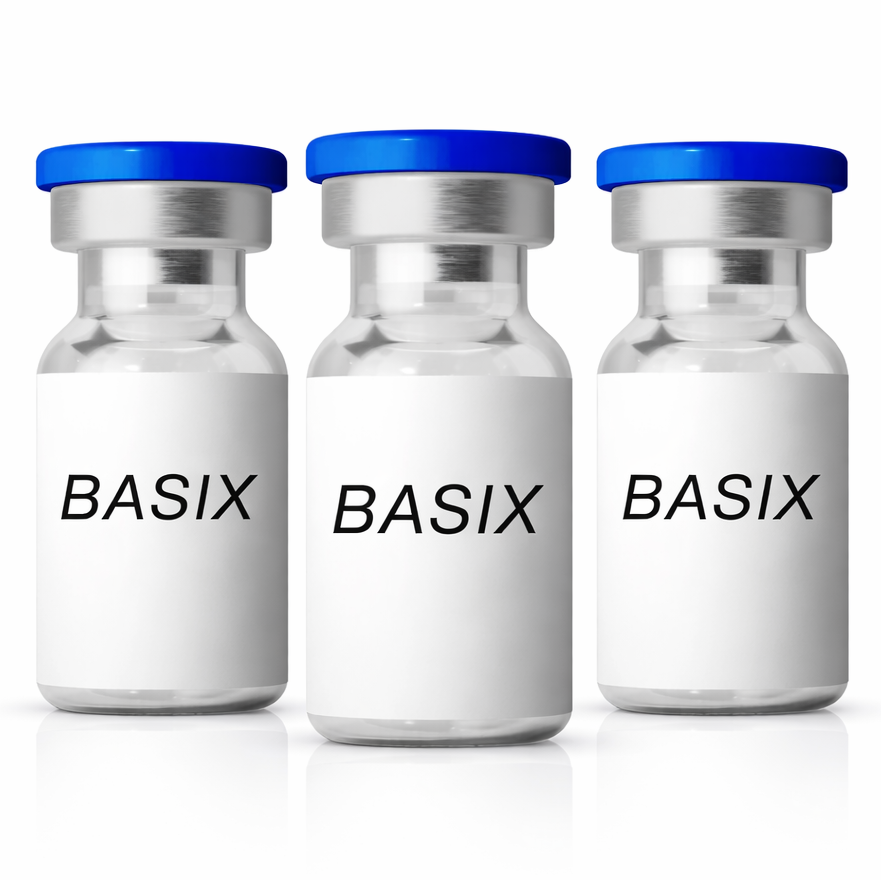
A sterile, sealed vial containing a defined amount of lyophilized peptide, labeled with product name and lot number.

Yes. A COA is available for every lot.

Each batch is analyzed using established methods (e.g. HPLC, MS) to confirm identity and purity as stated on the COA.

Store unopened vials in a refrigerator (2–8 °C), protected from light and moisture, unless otherwise indicated on the product label.

No. All BASIX products are supplied strictly as laboratory reagents for research use only and are not intended for human or veterinary use, diagnostics, or therapy.

Related Products